Independent liquidation wholesaler. Brand names describe lot contents only — Liquidation Pallet Co is not affiliated with or endorsed by those brands. Lots are typically used, customer-return, or mixed condition.
$1,200.00Original price was: $1,200.00.$1,050.00Current price is: $1,050.00.
Nationwide shipping available
Manifest & unmanifest options
Built for resellers & bin stores
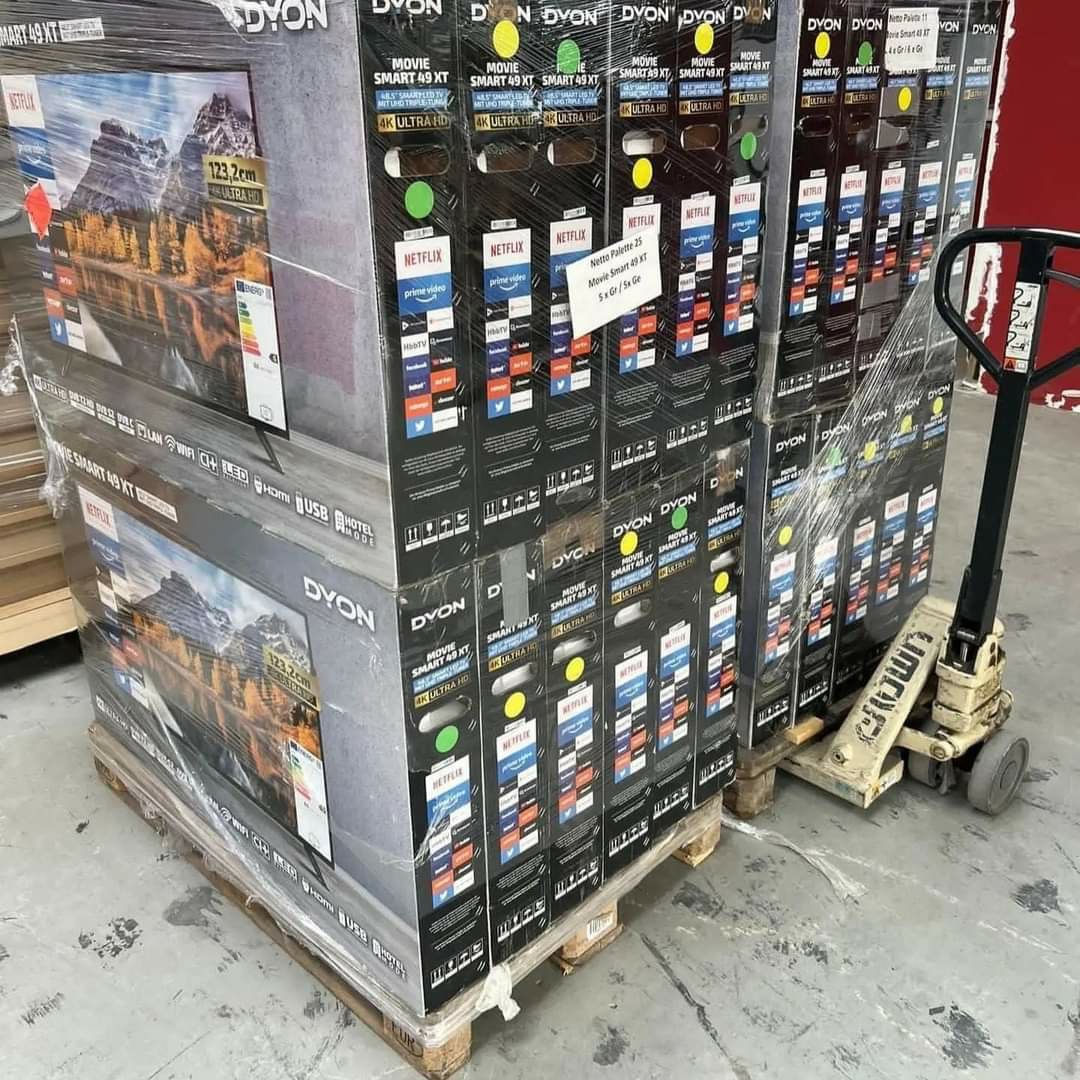
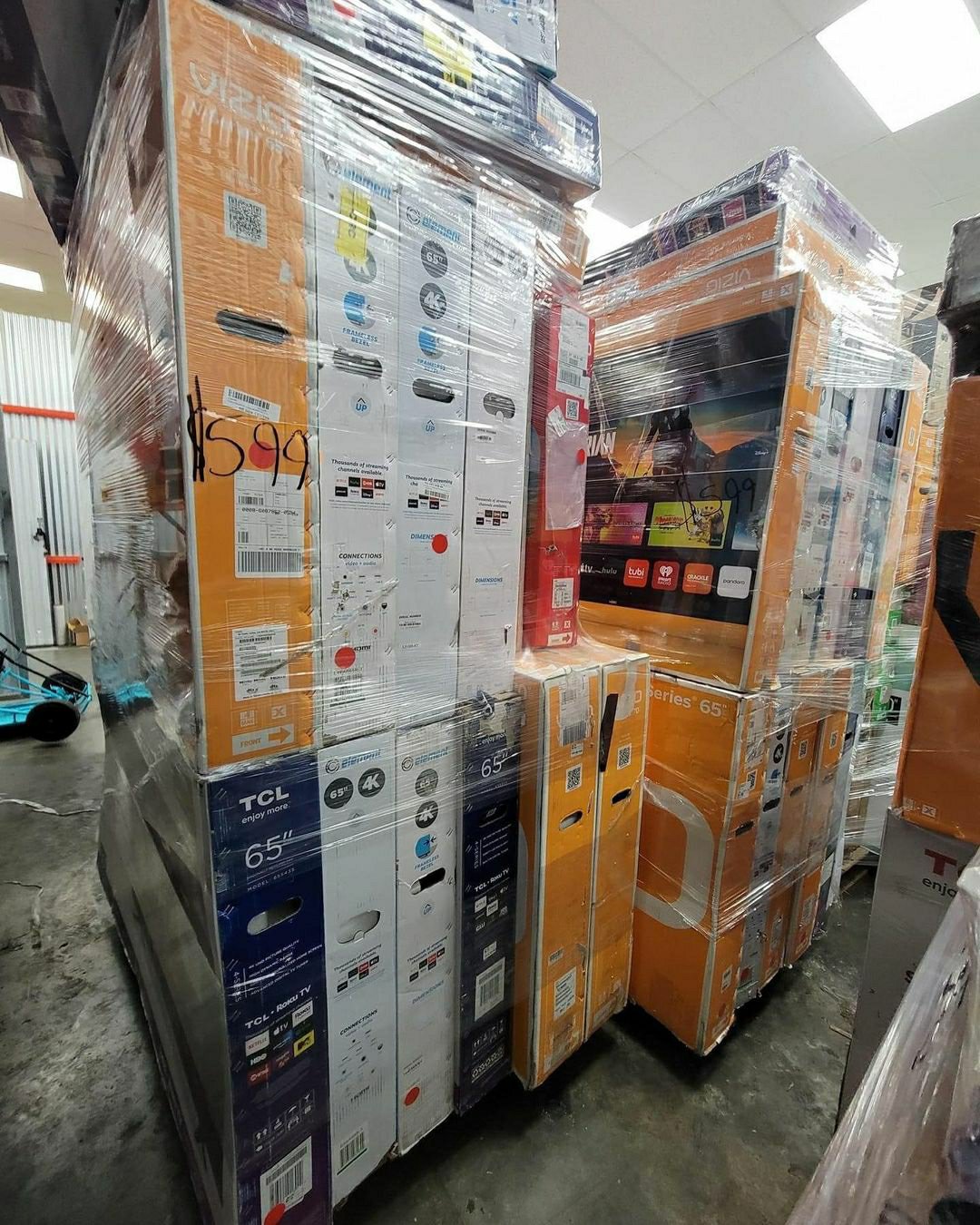
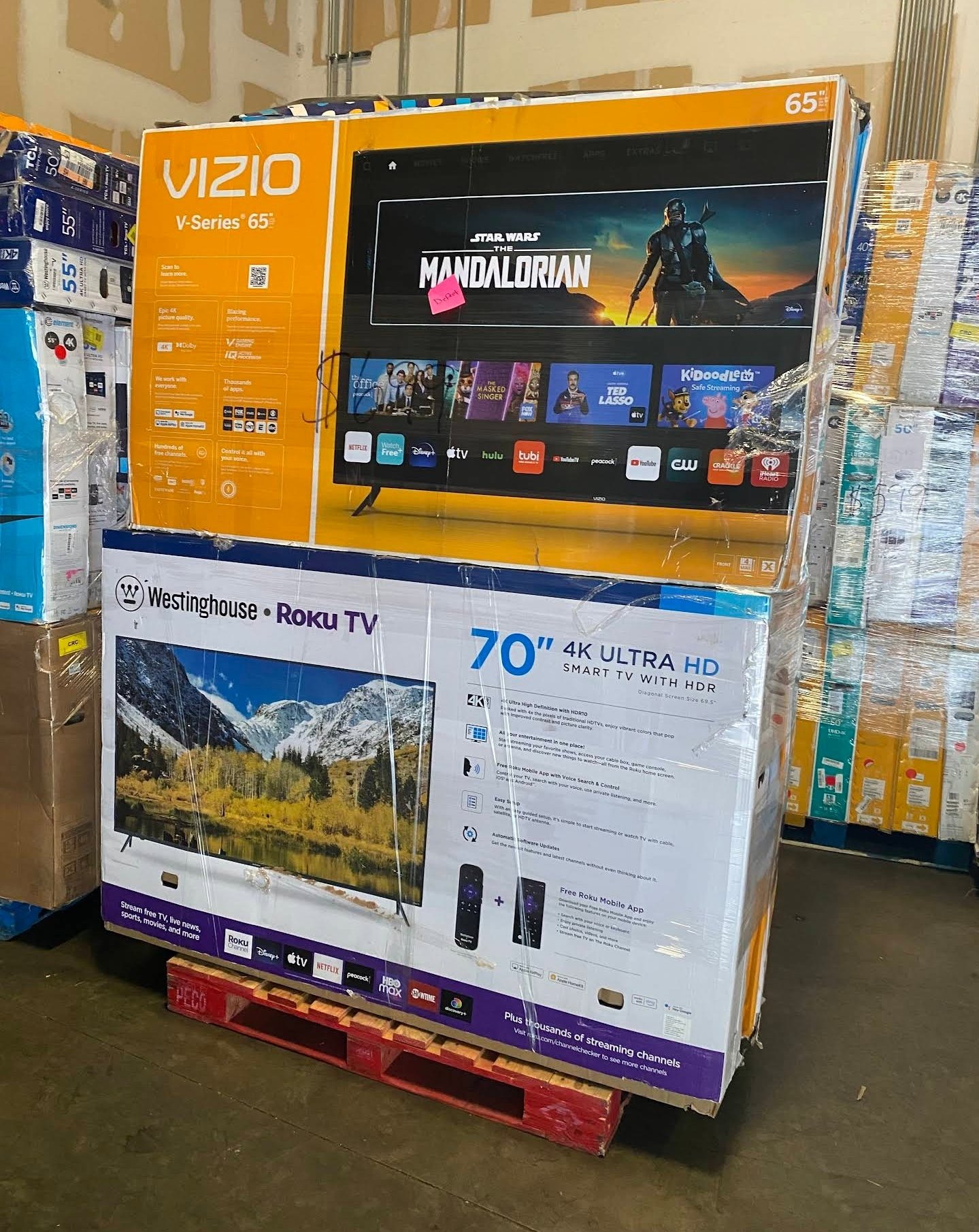
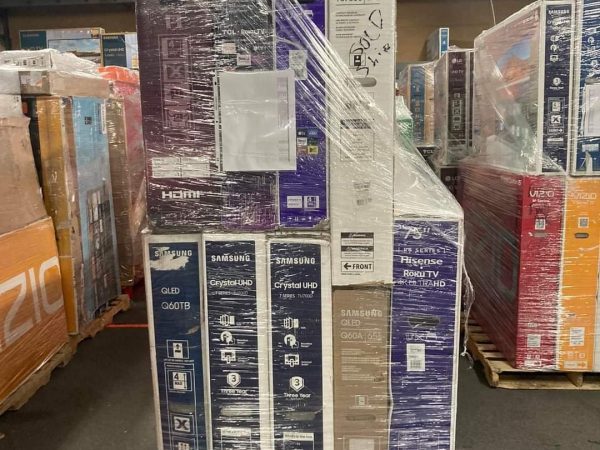
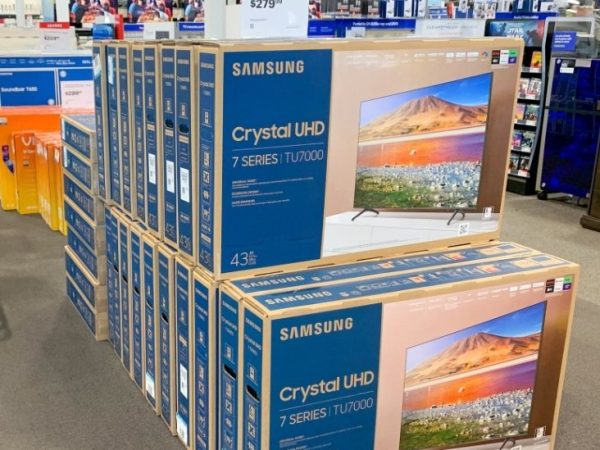
Status: Available 10 TVs per pallet Condition: BrandNew Approx number of pallets: 23 Distribution agreement required: No Shipping Area: Worldwide Buy TV Pallets.
7 in stock
SKU: MPL-000174
Buy TV Pallets Analysis
The television industry continues to revolutionize home entertainment with cutting-edge technologies and innovative features that transform viewing experiences. For electronics retailers, home entertainment specialists, and technology entrepreneurs, understanding the comprehensive landscape of television options is crucial for making informed inventory decisions. The modern TV market offers an extensive range of choices across brands, display technologies, screen sizes, and smart features, creating opportunities for businesses to serve diverse customer preferences and budget requirements.
Buy TV Pallets Analysis
Comprehensive Television Brand Overview
The television marketplace is dominated by several key manufacturers, each offering distinct advantages and target markets. Samsung leads with its QLED technology, featuring quantum dot enhancement for brilliant colors and exceptional brightness. LG dominates the OLED space with self-lit pixels that deliver perfect blacks and infinite contrast ratios. Sony combines its imaging expertise with Android TV, offering superior motion handling and color accuracy. TCL and Hisense provide exceptional value with budget-friendly pricing without compromising on essential features. Vizio strikes a balance between performance and affordability, while brands like Sharp and Insignia cater to entry-level markets. Understanding these brand positioning strategies helps retailers match products to appropriate customer segments and price points.
Display Technologies and Performance Characteristics
Modern televisions employ various display technologies that significantly impact picture quality and viewing experience. LED/LCD remains the most common technology, offering reliable performance at accessible price points across all screen sizes. QLED technology enhances traditional LED displays with quantum dots, delivering wider color gamuts and higher peak brightness ideal for well-lit rooms. OLED represents the pinnacle of display technology, with individually lit pixels that produce perfect blacks and exceptional contrast ratios. Mini-LED emerges as a premium alternative, featuring thousands of tiny LEDs for precise local dimming and improved HDR performance. Understanding these technological differences enables retailers to effectively communicate value propositions and help customers choose the right technology for their specific viewing environments and content preferences.
Screen Size Considerations and Room Optimization
Television sizing has evolved dramatically, with options now ranging from compact 32-inch models to massive 85-inch and larger displays. Small screens (32-43 inches) serve secondary spaces like bedrooms, kitchens, and offices where space is limited. Mid-range sizes (50-65 inches) represent the sweet spot for most living rooms and primary viewing areas, offering immersive experiences without overwhelming smaller spaces. Large format displays (70-85 inches) create true home theater environments for dedicated entertainment spaces. Ultra-large screens (86+ inches) make dramatic statements in spacious rooms and luxury installations. The optimal screen size depends on viewing distance, room dimensions, and content type, with general guidelines suggesting a viewing distance of 1.5 to 2.5 times the screen diagonal for optimal immersion.
Resolution and Picture Quality Specifications
Television resolution has progressed through several generations, each offering enhanced detail and clarity. HD Ready (720p) serves basic needs for secondary TVs and budget-conscious consumers. Full HD (1080p) remains relevant for smaller screens and gaming applications where high frame rates may take priority over resolution. 4K Ultra HD has become the current standard, offering four times the detail of Full HD with widespread content availability. 8K Ultra HD represents the cutting edge, providing unprecedented detail for massive screens, though native content remains limited. Beyond resolution, High Dynamic Range (HDR) technologies including HDR10, Dolby Vision, and HLG significantly enhance contrast and color performance, often making a more noticeable difference than resolution increases alone.
Smart TV Platforms and Connectivity Features
Modern televisions function as entertainment hubs through integrated smart platforms that streamline content access. webOS (LG) offers intuitive navigation and comprehensive app support within an elegant interface. Tizen (Samsung) provides robust functionality with seamless integration into the Samsung ecosystem. Google TV (Sony) delivers personalized content recommendations and extensive voice control capabilities. Roku TV (TCL/Hisense) features straightforward operation with thousands of streaming channels. Vizio’s SmartCast emphasizes casting and voice control integration. Connectivity extends beyond streaming to include multiple HDMI ports (increasingly with 2.1 specifications for gaming), USB inputs, Ethernet, and wireless technologies like Bluetooth and Wi-Fi 6. These smart features have become essential considerations, often influencing purchasing decisions as significantly as picture quality. Buy TV Pallets Analysis
Audio Technologies and Sound Enhancement
While picture quality typically receives primary focus, audio performance remains crucial for complete entertainment experiences. Basic models include standard stereo speakers adequate for everyday viewing but often benefit from external sound solutions. Mid-range televisions may feature virtual surround sound processing that creates expansive audio landscapes from built-in speakers. Premium models incorporate advanced audio technologies like Dolby Atmos, object-based sound that positions audio elements in three-dimensional space. Many manufacturers partner with audio specialists ΓÇô Sony with Acoustic Surface Audio, LG with Dolby Atmos integration, Samsung with Object Tracking Sound ΓÇô to enhance built-in speaker performance. Understanding these audio capabilities helps retailers recommend appropriate solutions and identify opportunities for soundbar and home theater system add-on sales.
Gaming Features and Performance Specifications
Televisions have evolved into capable gaming displays, with specific features catering to console and PC gamers. Input lag reduction technologies minimize delay between controller input and on-screen response for competitive gaming. Variable Refresh Rate (VRR) support including AMD FreeSync and NVIDIA G-SYNC eliminates screen tearing for smoother gameplay. Auto Low Latency Mode (ALLM) automatically switches to game-optimized settings when consoles are detected. HDMI 2.1 connectivity enables 4K gaming at 120Hz for compatible consoles and gaming PCs. Gaming-specific picture modes optimize visibility in competitive titles while enhancing immersion in cinematic games. These features have become significant differentiators as gaming represents an increasingly substantial portion of television usage. Buy TV Pallets Analysis
Ready to enhance your television inventory with comprehensive product knowledge and strategic sourcing? Understanding the complete television landscape enables informed purchasing decisions and effective customer service. Connect with reputable suppliers who can provide quality-assured inventory across multiple brands and technologies. Through careful market analysis, strategic product selection, and knowledgeable customer engagement, you can build a successful television business that meets diverse entertainment needs while achieving sustainable profitability in the dynamic home entertainment marketplace. Buy TV Pallets Analysis
What’s Included in Each TV Pallet? Each pallet contains a dynamic assortment of televisions:
Screen Sizes:
Small Screens┬á(32″-43″) – Perfect for bedrooms, kitchens, and small spaces
Medium Screens┬á(50″-65″) – Ideal for living rooms and main viewing areas
Large Screens┬á(70″-85″) – Premium home theater and entertainment centers
Mixed Sizes - Variety of dimensions to serve different room requirements
Technology Types:
4K Ultra HD - High-resolution displays with enhanced picture quality
Smart TVs - Built-in streaming apps and internet connectivity
LED/LCD - Standard display technology with reliable performance
QLED/OLED - Premium display technology for superior picture quality
Brand Variety:
Premium Brands - Samsung, LG, Sony, Vizio
Value Brands - TCL, Hisense, Insignia, Sharp
Mixed Labels - Combination of recognized and specialty brands
Display Models - Store demonstration units with full functionality





Reviews
There are no reviews yet.